Does Medicare Cover Home Health Care?
- Last updated
- October 11, 2026
- Read time
- 6 min

Key points
- Medicare home health care costs you $0 in 2026 if you are homebound and need skilled care part of the time.
- You pay 20% for equipment, like a walker, after the $283 yearly deductible for doctor and outpatient care in 2026.
- In most cases Medicare pays for up to 28 hours a week of nurse and aide time combined.
- A 2013 court settlement made clear that Medicare can't stop paying just because you aren't getting better.
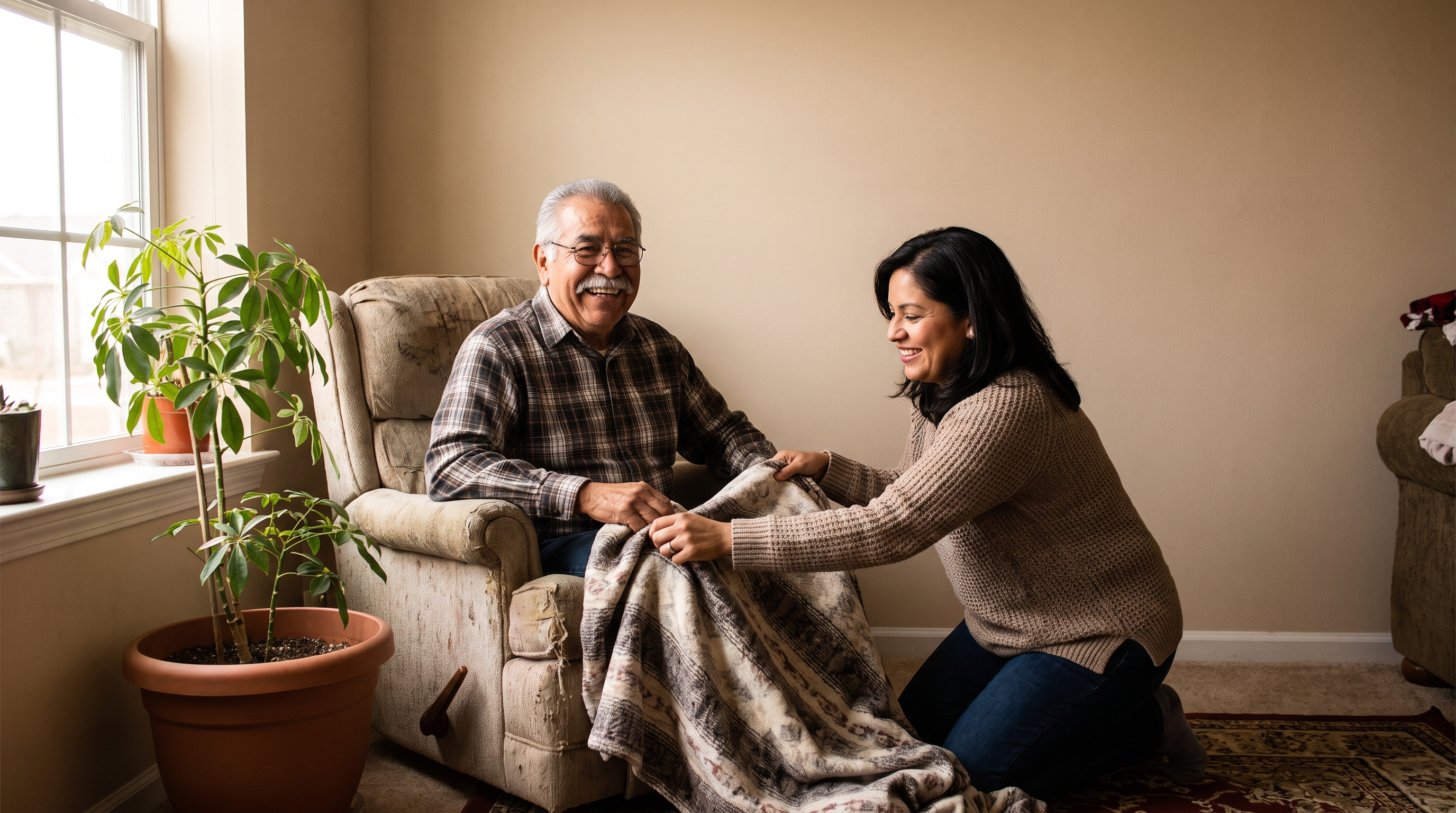
Yes, Medicare pays for a nurse, a therapist or an aide to come to your home. You pay nothing if you qualify. After a fall or illness, even a trip to the doctor can wear you out.
Medicare pays if
- Leaving home is hard: you need a cane, a walker, a ride or a person to get out. Or your doctor says not to go out.
- You need skilled care part of the time, like wound care, shots, or physical or speech therapy.
- A doctor or nurse practitioner saw you, ordered the care and signs a plan of care.
Not sure you qualify? Ask anyway, because your doctor's office can tell you. Or a Pair Team advocate can help you find out.
What does Medicare home health cover?
| Care | Does Medicare pay? | What you pay in 2026 |
|---|---|---|
| Skilled nursing (wound care, shots, medicine or fluids through a vein, checking on a serious illness, teaching you and your family) | Yes, part time | $0 |
| Physical, occupational and speech therapy | Yes | $0 |
| Home health aide (help with walking, bathing, grooming, eating) | Only while you also get nursing or therapy | $0 |
| Medical social services (a social worker) | Yes | $0 |
| Equipment (walker, wheelchair, hospital bed) | Yes, with a doctor's order | 20% of Medicare's price after the $283 deductible |
| 24-hour care at home | No | All of it |
| Meal delivery, shopping, cleaning | No | All of it |
| Help with bathing or dressing, when that is all you need | No | All of it |
Original Medicare does not pay for shower chairs or grab bars, so see what Medicare pays for in the bathroom. If your home health includes occupational therapy, you can ask the therapist to check your bathroom.
Is home health the same as home care?
Home health is not the same as home care. Home health is skilled care for a while, and home care is help with daily tasks, often for years.
| What it is | Who pays | |
|---|---|---|
| Home health | A nurse or therapist part time, plus an aide while you get that care | Medicare, at $0 if you qualify |
| Home care | Help with bathing, dressing, meals and housework | Medicaid if you qualify, long-term care insurance, or you |
Medicare doesn't pay for home care like this, Medicare.gov says, so see in-home care through Medicaid.
What does "homebound" mean?
"Homebound" means leaving home takes a lot of effort, and you need help to do it. You can still go to the doctor, religious services or adult day care. Short trips now and then for other reasons are OK.
You don't need a hospital stay first. If you just left one, see what Medicare covers after a hospital stay.
How many hours a week will Medicare pay for?
Medicare pays for up to 28 hours a week of nurse and aide time in most cases, Medicare.gov says. The daily limit is usually 8 hours. For a short time, your provider can order up to 35 hours a week. There's no cap on visits or weeks while you still qualify. Your doctor reviews your plan of care at least every 60 days.
Can home health stop because I am not getting better?
Home health can't stop just because you aren't getting better. Medicare also pays for skilled care that keeps you from getting worse. In 2013, the Centers for Medicare & Medicaid Services (CMS) settled a court case called Jimmo v. Sebelius and made this rule clear. It covers home health, nursing facilities and outpatient therapy. What counts is whether the care needs a nurse's or therapist's skill.
CMS reminded Medicare Advantage plans of this rule in 2024, the Center for Medicare Advocacy says. If an agency says Medicare only pays when you improve, ask for the reason in writing.
When your care is ending, the agency should give you a notice at least 2 days before. To appeal, call the number on it by noon the day before your care ends. See how to appeal a Medicare denial.
How do I find a Medicare-certified home health agency?
Use Care Compare at medicare.gov/care-compare to find certified agencies near you. It shows two star ratings: one from patient surveys, and one on quality, like how fast care started.
Your doctor should give you a list of local agencies. The doctor must tell you about any money stake in them, but you choose.
How to get home health care started
- Ask your doctor or nurse practitioner. Say why leaving home is hard and what you need help with, like a wound or walking.
- Have the visit Medicare needs. The doctor or nurse practitioner must see you within 90 days before care starts or 30 days after.
- Pick an agency by calling two or three to ask if they serve your area and when they can start.
- Meet the agency when it comes to your home to check your needs. Then it works out a plan of care with your doctor. It should tell you in writing what Medicare won't pay for.
- Keep track of visits, since staff should come as often as your doctor ordered. If they don't, call the agency, then your doctor.
If you have a Medicare Advantage plan
Your plan must cover the home health care Original Medicare covers. It may need to approve it first, send you to an agency in its network, or charge a copay. Call your plan before you pick an agency.
What a Pair Team advocate does
People often call us stuck between steps. The doctor said yes, but no agency has called, or visits stopped and no one said why. This is what we do:
- Check with you and your doctor whether you likely qualify, and get the order and visit notes sent.
- Call agencies on Care Compare until one can start, then confirm the first visit.
- Push back, and help you appeal, if care is cut while you still need it.
- Help with what often comes with it: equipment, rides to the doctor, meals, and paid help at home through Medicaid.
An advocate is covered by Medicare if you qualify. It takes two minutes to find out.
Check if you qualify for a Pair Team advocate
Frequently asked questions
Will the nurse teach my family how to help?
Yes, teaching you and your caregiver is part of covered nursing care, like how to change a dressing or give a shot.
What if I need more help than home health gives?
If you need more help, Medicaid may pay, and in many states it can pay a family member. See paying for a caregiver.
Who helps pay the 20% for equipment?
A Medigap plan pays all or part of it, and so does Qualified Medicare Beneficiary (QMB), one of the Medicare Savings Programs. See what Medicare pays for walkers, wheelchairs and beds.
Can I change home health agencies?
Yes, you can change agencies anytime. Medicare pays one at a time, so ask your doctor to refer you to the new one, and tell both agencies.
Can I get physical therapy at home if I am not homebound?
Some outpatient therapists make house calls, so you can sometimes get physical therapy at home for the usual 20%. See what Medicare pays for physical therapy.
Sources
- Home health services, Medicare.gov
- Medicare and Home Health Care, Medicare.gov
- Long-term care, Medicare.gov
- Jimmo Settlement, CMS
- Durable Medical Equipment Reference List (NCD 280.1), CMS
- Home Health Occupational Therapy (L34560), CMS Medicare Coverage Database
- Find and compare home health agencies, Medicare.gov Care Compare
- Quality of patient care rating for home health agencies, Medicare.gov
- Requirements for home health services (42 CFR 424.22), Legal Information Institute
- Compare Original Medicare and Medicare Advantage, Medicare.gov
- 2026 Medicare Parts A and B Premiums and Deductibles, CMS
- Understanding Medicare Home Health Care, Medicare Rights Center
- Know Jimmo: CMS Reminder to MA Plans, Center for Medicare Advocacy
- Is Mobile Outpatient Therapy an Alternative to Home Health Care?, Center for Medicare Advocacy
About the author
Holly Cuevas
Lead RN Care Manager
Holly Cuevas is a registered nurse and a lead nurse care manager at Pair Team. Since 2022, she has helped patients after a hospital stay.
Read bio