Help for Loneliness in Older Adults
- Last updated
- October 11, 2026
- Read time
- 6 min

Key points
- In 2024, 28% of people ages 65 to 80 felt lonely at times, and 23% felt isolated, the University of Michigan found.
- Senior centers funded by the Older Americans Act serve people 60 and older, even if you can't give a donation.
- Medicare pays for one depression screening a year, and in 2026 it costs you nothing if your provider accepts Medicare's rate.
- Friendship Line California answers day and night at 1-888-670-1360, and New York City has more than 300 free older adult centers.
In 2024, more than 1 in 4 people ages 65 to 80 felt lonely at times, a University of Michigan poll found. Loneliness can raise the risk of heart disease, stroke and dementia, the Centers for Disease Control and Prevention (CDC) says. Free ways to connect start with one call or text to the Eldercare Locator, 1-800-677-1116.
Days can get long after you stop driving or lose a spouse, and it can feel awkward to say so. You don't need a crisis to call a warm line. It's a phone line for when you want someone to talk to. If your mood is very low, call or text 988 at any hour.
You may qualify if
- You're 60 or older, the age for most senior center meals and classes.
- Leaving home is hard, and you'd like a visitor.
- You have Medicare, which pays for a yearly depression screening.
Not sure you qualify? Call anyway, because the Eldercare Locator can tell you what's near you in one call. If you'd rather not make the calls alone, a Pair Team advocate can help you find programs.
Ways to get connected
| Option | What it is | What it costs | Who to call |
|---|---|---|---|
| Senior center | Lunch, classes, exercise and games with people your age | Free or a small donation if you're 60 or older. No one can be turned away for not giving | Your Area Agency on Aging, through the Eldercare Locator: call or text 1-800-677-1116 |
| Friendly phone calls | A volunteer calls you each week to chat (DOROT Caring Calls), or you join group calls on art, music and books (Well Connected) | Free | DOROT: 212-769-2850, anywhere in the U.S. Well Connected: 877-797-7299, for people 60 and older |
| Visitors at home | A volunteer visits you at home. Senior Companions are volunteers 55 and older who help with things like shopping and bills, and keep you company | Run by volunteers. Ask the local program about any cost | Your Area Agency on Aging, or AmeriCorps at 1-800-942-2677 |
| Adult day care | A day program with meals, activities and some care, often with a ride | About $95 a day, or $24,700 a year for 5 days a week, the 2025 national median (CareScout). Medicare doesn't pay. Medicaid may | Your Area Agency on Aging, or your state's Medicaid office |
| Volunteering | AmeriCorps Seniors RSVP (once called the Retired and Senior Volunteer Program) is for people 55 and older, from a few hours a week up to 40 | Free to join. Some programs pay a small stipend to volunteers with low income | AmeriCorps at 1-800-942-2677, or search the AmeriCorps Seniors Pathfinder at americorps.gov |
To compare day programs, see adult day care.
Does Medicare pay for anything that helps?
Yes, Medicare pays for a yearly depression screening and for counseling. It does not pay for adult day care or meals at home, Medicare.gov says. The screening costs you nothing if your provider accepts Medicare's rate. You get it at a primary care office that can refer you for more care.
In 2026, counseling costs you 20% once you've paid the $283 yearly deductible for doctor care. You can have visits by video from home. See what Medicare pays for in counseling. If you also have Medicaid, it may pay your 20%. If your mood is very low, call or text 988, day or night.
What if it's hard to leave home?
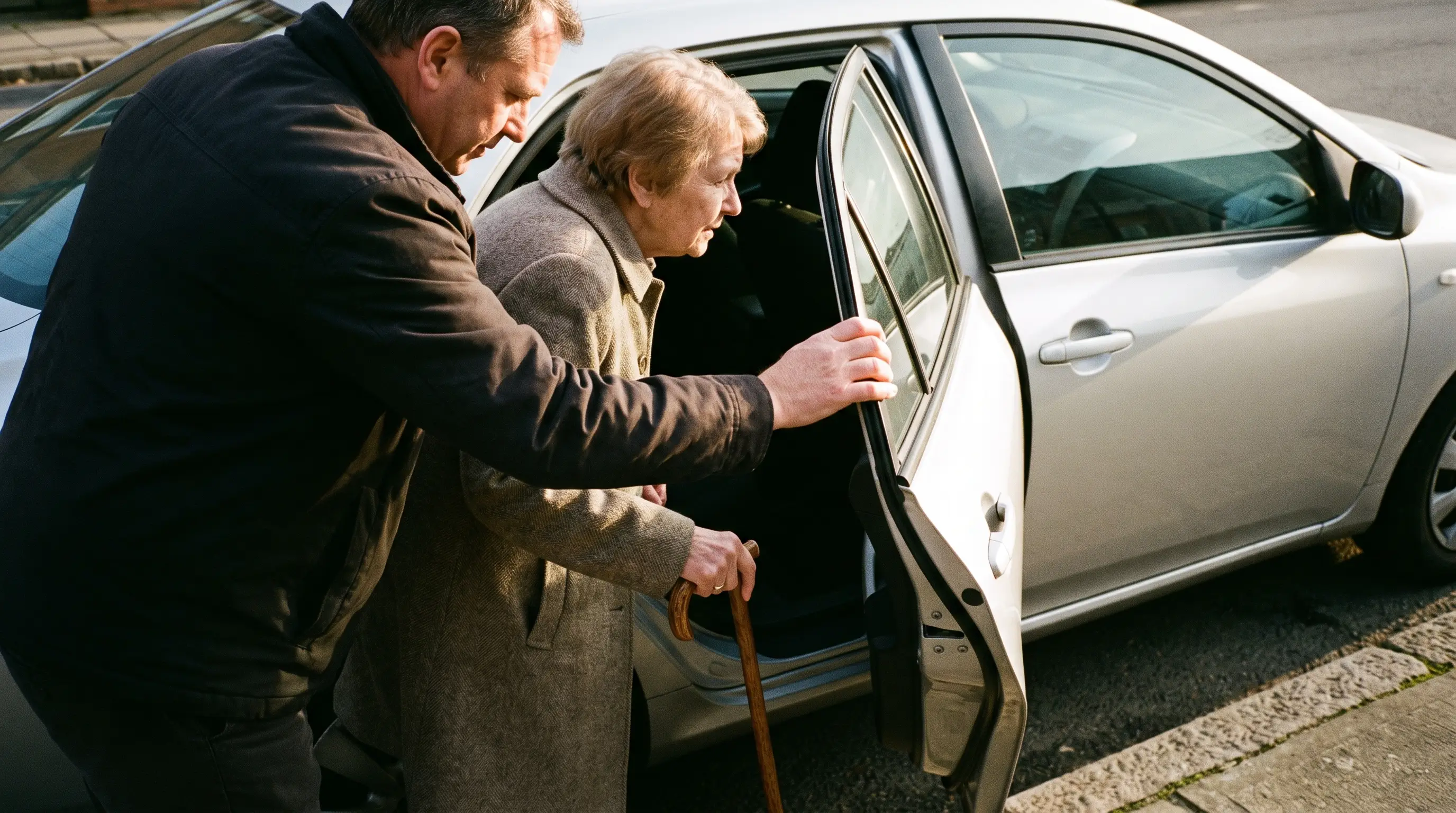
If it's hard to leave home, help can come to you by phone, by video or at the door. Friendly visiting programs send a volunteer to your home.
Meals brought to your home often come with a quick check-in, the Administration for Community Living says. In 2024, 63% of people who got these meals lived alone, its survey found. If getting out is the problem, ask about rides to the doctor and senior rides. If your phone was cut off, see Lifeline phone and internet help.
How to get connected
- Call or text the Eldercare Locator at 1-800-677-1116. It puts you in touch with your Area Agency on Aging, the office that knows the programs near you.
- Ask what's near you: a senior center, friendly visits or calls, and a ride to get there.
- Try one program a few times before you decide.
- Tell your doctor how you've been feeling at your next visit. If your mood has been low, ask for the yearly depression screening, or call or text 988.
- If you're helping a parent, start with one weekly call or visit. Then offer to go with them to a center the first time.
What a Pair Team advocate does
Feeling cut off often starts with something practical, like no ride or a phone that stopped working. Here's what our care team does:
- Find senior centers, friendly visiting and phone programs near you, and help you sign up.
- Set up rides to a senior center, a class or the doctor.
- Help you get a working phone or internet, and get started with video calls.
- Find a counselor who takes Medicare if you'd like to talk with someone, and help with food, bills and paperwork.
An advocate is covered by Medicare if you qualify. It takes two minutes to find out.
Check if you qualify for a Pair Team advocate
Frequently asked questions
Is the Friendship Line only for California?
The Friendship Line serves California, Institute on Aging's page says. Outside California, you can sign up for a free weekly call with a DOROT volunteer at 212-769-2850. If you're struggling, call or text 988 from anywhere.
Can my doctor help if I feel lonely?
Your doctor can help if you feel lonely, so bring it up at any visit, including your yearly wellness visit. Medicare.gov suggests you talk about changes in your mood since your last visit. Your doctor can also refer you to counseling, and if your mood is very low, call or text 988.
What if my parent doesn't want to go to a senior center?
If your parent doesn't want to go to a senior center, start with something smaller. A weekly call with a volunteer, or a group by phone, can feel easier than a room full of strangers.
Do I have to be 60 to go to a senior center?
You usually have to be 60 or older for senior center programs paid for by the Older Americans Act. A spouse of any age can join you for meals, the Administration for Community Living says.
Does Medicare pay for a companion or sitter?
Medicare does not pay for a companion or sitter, because it doesn't pay for care that isn't medical, Medicare.gov says. Medicaid may pay for help at home in your state, so see home care.
Find help in your state
In California
- Friendship Line California is a free warm line and crisis line for people 60 and older, and for adults with disabilities. Call 1-888-670-1360 any time, or 1-888-571-0411 for help in Spanish.
- California's 33 Area Agencies on Aging run local programs for older adults. Call 1-800-510-2020 to reach yours, the California Department of Aging says.
In New York
- In New York City, more than 300 older adult centers are free for people 60 and older, NYC Aging says. They offer meals, classes and exercise. For Friendly Visiting, which sends a volunteer to your home, call Aging Connect at 212-244-6469 or 311.
- Anywhere in New York State, call NY Connects at 1-800-342-9871 to reach your local office for the aging. These offices run senior centers and friendly visits or calls, the state says.
- The Virtual Senior Center has live classes online, free for New Yorkers 60 and older. Call 718-559-4460 to sign up.
In other states, call or text the Eldercare Locator.
Sources
- Depression screening, Medicare.gov
- Mental health care (outpatient), Medicare.gov
- Long-term care, Medicare.gov
- 2026 Medicare Parts A and B Premiums and Deductibles, CMS
- Health Effects of Social Isolation and Loneliness, CDC
- Eldercare Locator, Administration for Community Living
- Nutrition Services, Administration for Community Living
- 45 CFR Part 1321, Subpart B, Grants to State and Community Programs on Aging, eCFR
- AmeriCorps Seniors Senior Companion Program, AmeriCorps
- AmeriCorps Seniors RSVP, AmeriCorps
- Friendship Line California, State of California
- Find Services in My County, California Department of Aging
- Older Adult Centers, NYC Aging
- Friendly Visiting, NYC Aging
- Friendly Visiting Program for Older Adults, NYC311
- NY Connects, New York State Office for the Aging
- Combating Social Isolation, New York State Office for the Aging
- Loneliness and Social Isolation Among US Older Adults, JAMA, 2025 (University of Michigan National Poll on Healthy Aging)
- Loneliness and isolation: back to pre-pandemic levels, but still high, University of Michigan
- Friendship Line, Institute on Aging
- Caring Calls, DOROT
- Well Connected, Front Porch
- Virtual Senior Center, Selfhelp
- Cost of Care Survey 2025, CareScout
- 988 Suicide and Crisis Lifeline
About the author
Adriana Bugarin
Behavioral Health Specialist
Adriana Bugarin is a behavioral health specialist at Pair Team. Since 2022, she has helped patients with mental health and substance use care.
Read bio